Having a lush green grass in a yard is very easy to have now, because we have many new hybrid grasses that look very good and it shrug off drought, disease, and insects.
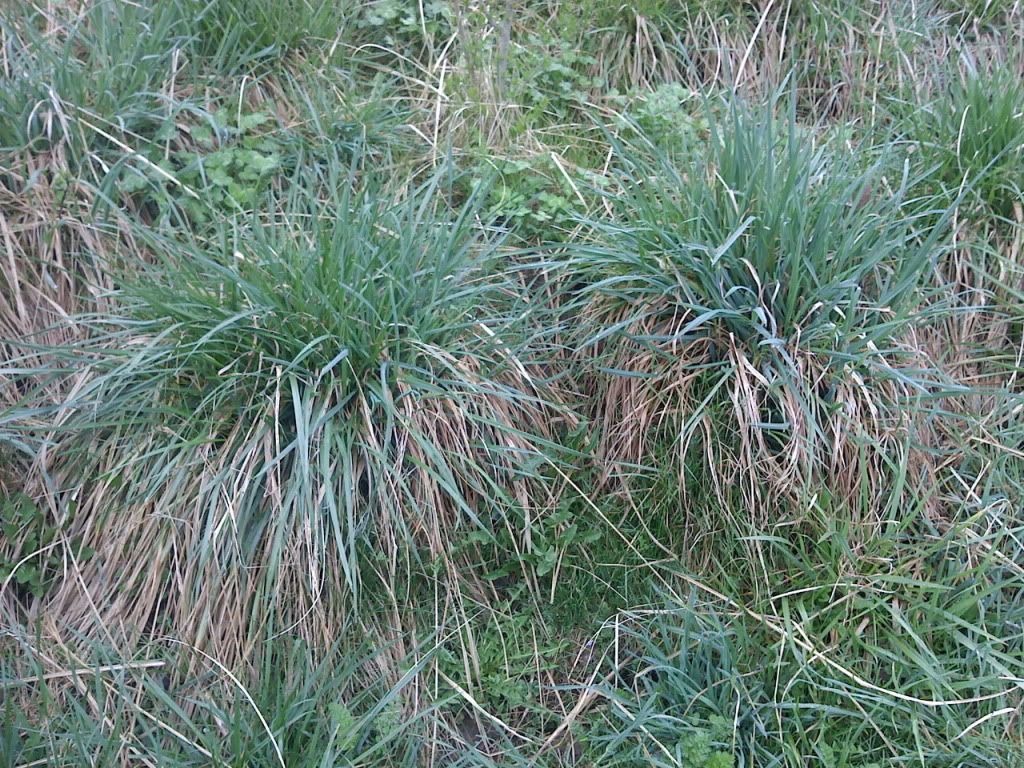
The plant scientists have not been able to develop a single type of grass that will grow in every area and climate. So I will need to go through all the choices and then choose what would be the best type of grass for my yard.

All lawn grasses are in either cool or warm season. Cool season grasses grow faster in the fall and spring and then slow down in summer and winter. So they are at home in the cool, moist north. Warm season grasses grow fastest during the heat of summer and turn brown as the weather cools. Warm season grasses grows in warm, hot climates.

Zone 1 Humid Northeast and Northwest
This zone is good for cool season grasses such as, perennial rye grass, Kentucky blue grasses, and fine fescues.
Kentucky bluegrass is the preeminent choice for this zone. It has fine texture, quick growth, deep color, and outstanding cold hardiness.
There are many new hybrids that has improved disease resistance. Midnight or Unique has a blend of disease-resistance. Challenger, Opal, Washington, Cobalt, Livingston, and Midnight will remain a handsome dark green grass with less fertilizing.
Perennial rye grass is mixed sometimes with Kentucky bluegrass and this provide quick cover until the bluegrass establishes itself.
Divine, Stallion Supreme, Stallion Select has endorphins which is leaf-inhabiting fungi that kill leaf-feeding insects or repel.
Fine fescues are the best type of grass for cool season choice for shaded areas, which requires less mowing and fertilizing. Flyer Aurora, Brigade, Banner 11, and Discovery are put with Kentucky bluegrass.
Zone 2
Transition Zone
This is where the Southern and Northern lawn climate zones int erect. If your yard are exposed to the south-facing slope and it is where the sun is intense and heat will favor a warm-season grass. Now if your yard is a cooler north facing, it will prefer a cool season grass.
Tall fescue which is a cool season grass which are ideal where the summer are very hot for other cool season grasses and the winters are to severe for warm season grasses. These grasses are planted in the East and also in the milder parts of the Southwest.
These types of grass that has endorphins are Earth Save, Titan 11, Rebel 111, and Tarhead.
Zones 3 and 4 Humid Southeast
Bermuda grass, zoysia, and other warm season grasses grows very well in these zone.
Bermuda grass is very good type of grass for this areas because it is heat and drought tolerant and fast spreading.
Zoysia goes well in most Southern lawns. This type of grass is one that starts very slowly, but in time it is relatively low maintenance and tolerates traffic, heat, and drought. These are names of some of the zoysia grass and they are Victoria, De Anza, El Toro, and Emerald. These grasses offer longer color offer faster growth, and a finer texture.
St. Augustine grass grows only in the mildest regions of the south. This grass can not tolerate prolonged temperatures below 25 degree F. Flora tam is the one that is used the most often. I have St. Augustine and Bermuda grasses in my yard.
Zone 5 Cool, Dry, West
The cool season grasses will grow here, but they have to have a lot of watering so they can grow.
But if watering a lot is not something that you can do if you live there, you can use buffalo grass. It is low maintenance once you get your grass established. It browns when the first frost comes, and it is slow to become green in the spring. This grass is very cold-tolerant. Two new varieties of grass are Cody and Bison.
Zone 6 Arid and Semiarid Southwest
The difference between zone 3 and Zone 6 is rainfall. There are a lot of rain in one area and not much rain in the other area.
Bermuda grass is the best choice and the other two alternatives are zoysia and St. Augustine.
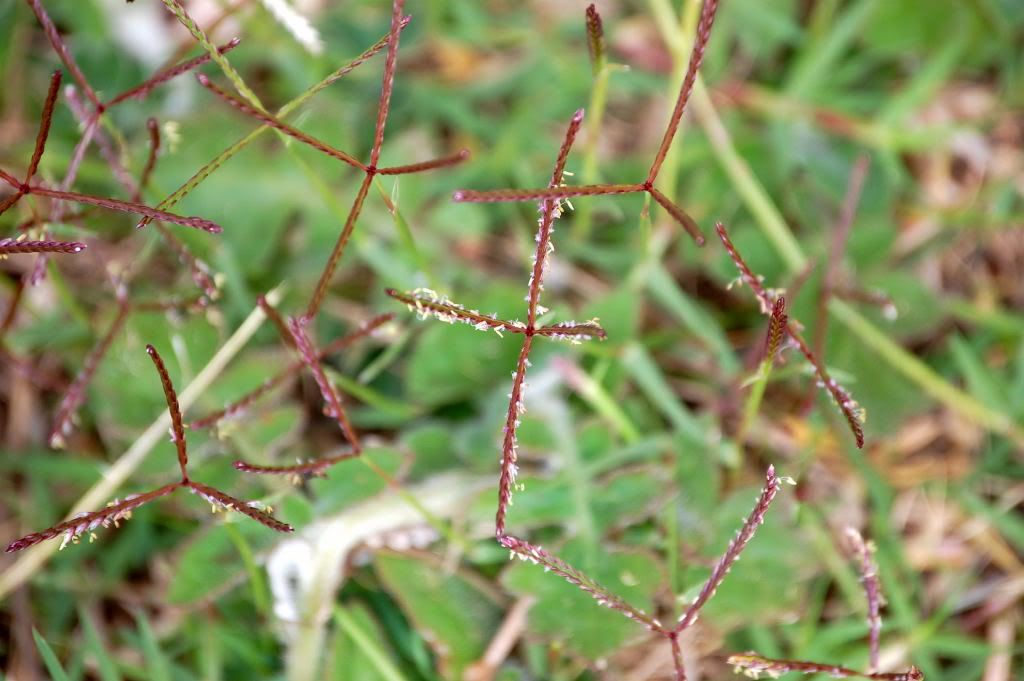
As you see we have six different zones in the U. S. A . In each zone, you will have to used the grass that will grow in your zone.


